
In Myanmar 2025: Voting in a War Zone: Myanmar’s Military Elections Spark Global Skepticism

In Myanmar: Voting in a War Zone: Myanmar’s Military Elections Spark Global Skepticism
Image Via:- CNN

In Myanmar: Voting in a War Zone — Myanmar’s Military Elections Spark Global Skepticism

On Monday, Myanmar’s ruling military authorities moved forward with plans linked to national elections, even as fighting continues across large parts of the country. The announcement has drawn strong criticism from opposition groups and concern from the international community. Many observers say voting in a country at war raises serious questions about fairness and legitimacy.

Myanmar has been under military rule since February 1, 2021, when the army seized power in a coup. The military, known as the Tatmadaw, removed the elected civilian government. Senior leaders of that government, including Aung San Suu Kyi, were detained. The coup ended a decade of limited democratic rule. It also triggered widespread protests.

At first, people took to the streets peacefully. They demanded the return of democracy. The military responded with force. Security forces used live ammunition. Many protesters were killed. Thousands were arrested. Over time, the crisis deepened. Armed resistance groups formed in different regions. Ethnic armed groups also stepped up attacks. This turned the political crisis into a full-scale civil war.

Today, fighting is reported in many states and regions. Villages have been burned. Airstrikes have forced civilians to flee their homes. According to aid groups, millions of people are displaced. In such conditions, holding nationwide elections is extremely difficult. In some areas, it is impossible.

Despite this, the military leadership says elections are needed to restore order. They claim voting will lead to a stable government. The junta has promised a return to civilian rule after the polls. However, critics say these promises lack trust. They point out that most major opposition parties have been banned or weakened. Many of their leaders are in prison or in hiding.

Independent media outlets are also under heavy restrictions. Journalists face arrest. News websites are blocked. Free campaigning is not possible. Without open debate and free press, elections cannot be truly fair. Human rights groups argue that voters cannot make informed choices.

International reaction has been cautious and critical. Western governments say the conditions do not allow free elections. The United Nations has repeatedly called for dialogue and an end to violence. It has urged the military to release political prisoners. Regional countries have also expressed concern, though responses differ.

Another key issue is participation. Large parts of the population may not be able to vote. Conflict zones lack security. Polling stations cannot be set up safely. Even in calmer areas, fear remains high. Many citizens worry about surveillance or punishment. This could lower voter turnout and reduce the value of the results.

Opposition groups have rejected the election plan. The shadow civilian administration says any vote organized by the military is invalid. Ethnic groups share similar views. They argue that real peace must come before any political process. Without peace, elections may deepen divisions rather than heal them.

For ordinary people in Myanmar, daily life is a struggle. Prices of food and fuel have risen sharply. Jobs are scarce. Schools and hospitals have closed in some regions. Many families are focused on survival, not politics. In this context, voting feels distant and unsafe.

Analysts say the military hopes elections will bring international recognition. A new government formed through voting could help reduce pressure. But without broad acceptance, this goal may fail. Skepticism remains strong both inside and outside the country.

As the war continues, the future of Myanmar looks uncertain. Elections alone cannot end the conflict. Peace, dialogue, and trust are still missing. Until these issues are addressed, voting in a war zone is likely to remain a symbol of division rather than democracy.

Also you know that:- 3I/ATLAS Made Its Closest Approach to Earth on December 19- Scientists Confirm No Threat: Big News

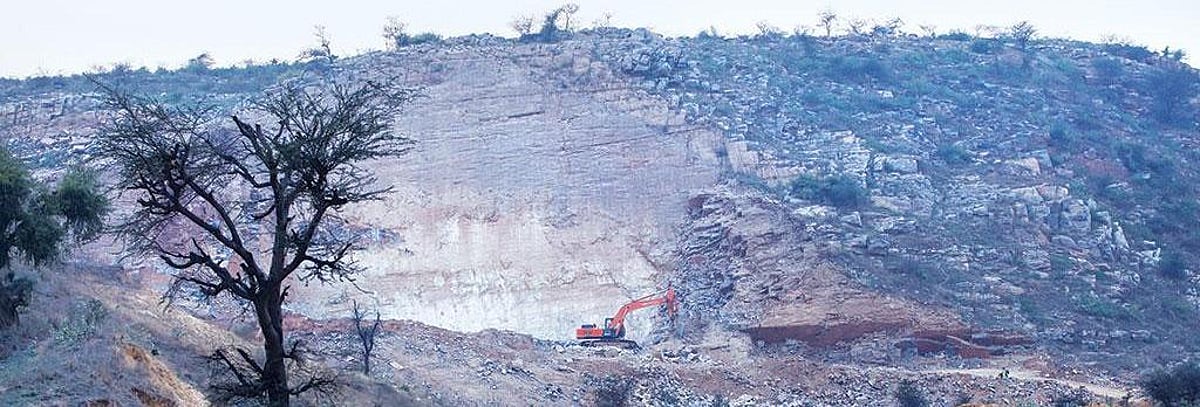
Big News: Supreme Court Takes Suo Motu Cognizance of Aravalli Hills Definition, Hearing Scheduled for December 29

Big News: Supreme Court Takes Suo Motu Cognizance of Aravalli Hills Definition, Hearing Scheduled for December 29
Image Via:- Bar and Bench

Big News: Supreme Court Takes Suo Motu Cognizance of Aravalli Hills Definition

On December 2025, The Supreme Court of India took suo motu cognizance of issues related to the definition of the Aravalli Hills. a major development took place in India’s environmental law space. The matter has now been listed for hearing on December 29, drawing attention from environmentalists, legal experts, and policymakers across the country.

This step by the top court signals the seriousness of the issue. It also highlights growing concerns about environmental degradation in one of India’s oldest mountain ranges.

What Does Suo Motu Cognizance Mean?
Image

In simple words, suo motu means “on its own.” When a court takes suo motu cognizance, it acts without waiting for a formal petition. The court steps in because it believes the matter affects public interest.

Courts usually use this power when they see a risk to fundamental rights or serious harm to the environment. In this case, the concern is about how the Aravalli Hills are defined and protected under law.

Why the Aravalli Hills Matter?

The Aravalli range is one of the oldest geological formations in the world. It stretches across several states, including Rajasthan, Haryana, and parts of Delhi. These hills act like a natural wall against desert expansion.

They also help recharge groundwater and support forests and wildlife. If the Aravallis weaken, the impact is felt far beyond the hills themselves. Cities nearby face heatwaves, water shortages, and rising pollution levels.

The Issue Around the Definition

At the heart of the case is the unclear definition of what legally counts as “Aravalli land.” Over the years, different states have used different criteria. Some areas with hills were excluded from protection due to technical definitions.

This confusion has allowed mining, construction, and land diversion in sensitive zones. Environmental groups argue that a narrow definition defeats conservation laws and harms fragile ecosystems.

Supreme Court’s Observations

The court reportedly expressed concern that inconsistent definitions may be weakening environmental safeguards. It noted that legal loopholes cannot be used to justify large-scale damage to natural resources.

The bench emphasized that environmental protection is not optional. It is a constitutional duty. This observation sets a strong tone ahead of the December 29 hearing.

Hearing Scheduled for December 29

The upcoming hearing is expected to focus on how the Aravalli Hills should be officially defined. The court may examine past orders, state notifications, and scientific data.

States involved could be asked to explain their stand. Experts may also be consulted to suggest a uniform and science-based definition.

Impact on Mining and Construction:- Mining has been a major concern in the Aravalli region for decades. Despite earlier bans, reports of illegal activity continue to surface. A clearer definition could lead to stricter enforcement. Construction projects may also come under review. Developers operating in disputed areas could face new checks or even closures if the land is reclassified.
Reactions from Environmentalists:- Environmental activists have welcomed the court’s move. Many see it as a long-overdue intervention. They believe a strong ruling can help restore damaged areas and prevent future harm.

Several groups have called this step a “turning point” for conservation in north India.

Response from State Authorities:- State governments are expected to present their views during the hearing. Some may argue that development needs must be balanced with conservation. Others may seek clarity to avoid legal uncertainty.
  • The court’s final direction could guide future policies at both state and national levels.
  • This case has the potential to reshape environmental governance in India. A clear definition of the Aravalli Hills could strengthen protections and close long-standing loopholes.
  • More importantly, it sends a message. Environmental issues can no longer be ignored or delayed.

The Supreme Court’s decision to take suo motu cognizance of the Aravalli Hills definition marks a crucial moment. With the hearing set for December 29, all eyes are now on the court. The outcome could have lasting effects on conservation, development, and environmental justice in India.

FAQs

1. Why did the Supreme Court take suo motu cognizance?
Because the issue affects environmental protection and public interest on a large scale.

2. What is the main concern in this case?
The lack of a clear and uniform definition of the Aravalli Hills.

3. When is the hearing scheduled?
The hearing is scheduled for December 29.

4. How does this affect mining in the Aravallis?
A clearer definition may lead to stricter bans and enforcement.

5. Why are the Aravalli Hills important?
They help control desertification, support biodiversity, and recharge groundwater.

3I/ATLAS Made Its Closest Approach to Earth on December 19- Scientists Confirm No Threat: Big News

3I/ATLAS Made Its Closest Approach to Earth on December 19 — Scientists Confirm No Threat: Big News

Image Via:- Universe Space Tech

Venezuela Warns 3I/ATLAS Made Its Closest Approach to Earth on December 19 — Scientists Confirm No Threat

On December 19, global attention briefly turned toward the sky after Venezuela issued a public warning about a space object known as 3I/ATLAS. The announcement confirmed that the object made its closest approach to Earth on that day. While the news caused concern among some people, scientists were quick to calm fears. They confirmed that there was no threat to the planet.

Space events often sound dramatic. Words like “closest approach” can make anyone uneasy. But in this case, experts stressed that the situation was safe and well understood.

3I/ATLAS

3I/ATLAS is a fast-moving object observed by automated space survey systems. These systems scan the sky every night, looking for asteroids and comet-like bodies. Once detected, objects are given temporary names so scientists can track them accurately.

Discovery and Naming

The object was identified earlier through space observation programs designed to protect Earth. The name “ATLAS” comes from the monitoring system that first spotted it. This does not mean it is new or dangerous. It simply means it was detected and logged.

Objects like 3I/ATLAS move quickly. Even when they are far away, scientists prefer to monitor them. Think of it like tracking a plane on radar. Just because it appears on the screen does not mean it will crash.

December 19 Closest Approach Explained
Image

December 19 marked the point where 3I/ATLAS came nearest to Earth along its orbit. Importantly, “nearest” in space terms still means millions of kilometers away.

  • According to scientific data, the object stayed at a safe distance. There was no chance of collision. No change in Earth’s gravity. No atmospheric impact.
  • The phrase “closest approach” often triggers fear. But in astronomy, it is routine. Thousands of objects pass closer than this every year without any effect.
Venezuela’s Official Warning

Venezuelan authorities shared the information to avoid confusion and rumors. The warning was not meant to alarm people. It was meant to inform.

Officials explained that transparency is better than silence. When governments speak early, misinformation has less room to spread.

Scientists Confirm No Danger

Scientists from international space agencies reviewed the object’s orbit. All calculations showed the same result. Earth was never at risk.

Using advanced models, scientists mapped the object’s path. The math was clear. The object passed by and continued its journey into space.

Space Monitoring Systems

Modern space monitoring works like a global security camera. Telescopes and sensors constantly scan the sky.

These systems give scientists time. Time to calculate. Time to confirm. Time to reassure the public.

Public Reaction and Media Coverage

Despite expert reassurance, social media buzzed with worry. Some posts exaggerated the situation. Others shared false claims.

Fighting Misinformation:- This event showed why reliable news matters. Simple facts can stop fear from spreading.
Why Space Objects Often Cause Fear:- People remember movies and past asteroid stories. Fiction often makes space feel hostile.
Hollywood vs Reality:- In reality, Earth is well protected by science and early detection.
What Happens Next With 3I/ATLAS:- 3I/ATLAS will continue along its path. Scientists will keep watching it until it fades from view.
Continued Observation:- There is no emergency. Just routine science at work.

FAQs

1. Was Earth ever in danger from 3I/ATLAS?
No. Scientists confirmed there was zero risk.

2. Why did Venezuela issue a warning?
To inform the public and prevent rumors.

3. What does “closest approach” really mean?
It means the nearest point in its orbit, still very far away.

4. Are objects like this common?
Yes. Many pass Earth safely every year.

5. Will scientists keep tracking 3I/ATLAS?
Yes, until it moves out of observation range.

Venezuela warns US: “Oil Tankers Held Hostage? Venezuela Says U.S. Just Crossed a Line at Sea.”

Venezuela warns US: "Oil Tankers Held Hostage? Venezuela Says U.S. Just Crossed a Line at Sea."
Image Via:- The New York Times

Venezuela Warns U.S.: Oil Tankers Held Hostage? Caracas Says Washington Crossed a Line at Sea

On Tuesday, December 23, 2025, the government of Venezuela issued a sharp warning to the United States, accusing U.S. forces of interfering with Venezuelan oil tankers at sea. The statement quickly raised eyebrows across the region and beyond. Why does this matter? Because oil tankers are not just ships. They are floating lifelines for economies already under stress. When a country claims its vessels are being held or blocked, the message is loud and clear: something serious is brewing.

According to Venezuelan officials, several oil tankers flying the national flag were approached and delayed by U.S. naval forces in Caribbean waters. Caracas described the move as “hostile” and “unacceptable.”

The Oil Tanker Incident Explained

The incident reportedly took place in international waters of the Caribbean Sea earlier this week. Venezuelan authorities say the ships were on regular routes, carrying crude oil to foreign buyers.

They claim the vessels were not violating any international laws. From Venezuela’s point of view, this was not an inspection. It was pressure.

Venezuela’s Official Claim

Government spokespeople said the tankers were treated like “hostages.” That word alone added fuel to the fire. It suggests force, control, and a clear message of dominance.

  • President Nicolás Maduro did not mince words. He said the United States had “crossed a red line at sea” and warned that Venezuela would defend its sovereignty.
  • Officials from the state oil company PDVSA echoed the concern. They said maritime harassment puts crews at risk and disrupts lawful trade.
U.S. Position and Silence

So far, Washington has not issued a detailed public response. U.S. officials have only repeated that their actions follow international law and existing sanctions.

This silence speaks volumes. In past cases, the United States has used naval patrols to enforce sanctions and monitor oil shipments linked to restricted governments.

Historical Context

Tensions between Venezuela and the United States are nothing new. For years, sanctions have shaped this uneasy relationship. Oil has always been at the center of the dispute.

Washington accuses Caracas of corruption and democratic backsliding. Venezuela accuses Washington of economic warfare. The sea has now become the latest stage for this long-running standoff.

Impact on Global Oil Markets

News of the incident made traders nervous. Even small disruptions can shake oil markets. Shipping routes through the Caribbean are critical for energy supply.

If tanker movements slow down, prices can rise. For countries already battling inflation, that is bad news.

International Reactions

Several regional governments called for calm. Some urged both sides to respect international maritime rules. Others stayed quiet, likely not wanting to pick sides.

Global powers are watching closely. Any misstep at sea can escalate faster than talks on land.

Under international maritime law, ships in international waters are generally protected from interference. Venezuela argues that U.S. actions violate these principles.

The United States, on the other hand, often cites sanctions enforcement as legal grounds. This legal gray zone is where most conflicts begin.

What This Means for Venezuela

For Venezuela, oil exports are vital. Any disruption hits hard. The government is also using this moment to rally domestic support, framing the issue as national defense.

What This Means for the United States

For Washington, the risk is diplomatic fallout. Aggressive enforcement may send a strong signal, but it can also push rivals closer together.

Possible Next Steps

Will this lead to talks or more tension? That depends on what happens next at sea. International bodies may step in if the situation escalates.

This is more than a shipping dispute. It is a warning shot in an already tense relationship. When oil tankers become symbols of power, the waves carry more than crude. They carry consequences.

FAQs (Important questions)

1. Did the U.S. officially seize Venezuelan oil tankers?

No official seizure has been confirmed. Venezuela claims interference, while the U.S. has not detailed its actions.

2. Where did the incident take place?

Venezuela says it happened in international waters of the Caribbean Sea.

3. Why is oil central to this dispute?

Oil is Venezuela’s main export and a key target of U.S. sanctions.

4. Could this affect global oil prices?

Yes. Even limited disruptions can create market uncertainty.

5. Is military conflict likely?

At this stage, direct conflict seems unlikely, but tensions remain high.

In India: “ISRO Launches Heaviest Satellite BlueBird Block-2, Boosting India’s Space Power”

ISRO Launches Heaviest Satellite BlueBird Block-2, Boosting India’s Space Power”
Image Via:- NDTV

ISRO Launches Heaviest Satellite BlueBird Block-2, Boosting India’s Space Power

Published Date: 24 December 2025

India has once again made headlines in the global space community. With the successful launch of its heaviest satellite, BlueBird Block-2, the country has taken a giant leap toward strengthening its space capabilities. This historic mission, executed by the Indian Space Research Organisation, is being seen as a game-changer for India’s communication, defense, and technological future.

India’s Growing Reputation in Space Technology

The launch of BlueBird Block-2 is not just about sending another satellite into space. It represents India’s growing confidence in handling heavy, complex, and high-value space missions. With this achievement, India signals to the world that it is ready to compete with the biggest space powers on Earth.

Over the years, India has moved from being a cost-effective launch provider to a serious innovator. Missions like Chandrayaan, Mangalyaan, and now BlueBird Block-2 prove that India is no longer experimenting—it is leading.

BlueBird Block-2 Satellite:-

BlueBird Block-2 is a next-generation, high-capacity communication satellite designed to dramatically enhance India’s connectivity and strategic communication capabilities.

Image
Overview of the BlueBird Satellite Program

The BlueBird satellite series was conceptualized to meet the rising demand for secure, high-speed, and wide-area communication. Block-2 is the most advanced version so far, building upon lessons learned from earlier missions.

Key Objectives of BlueBird Block-200

The satellite aims to:

  1. Improve nationwide communication coverage
  2. Support defense and strategic operations
  3. Enable next-generation broadband services
Why It Is Called the Heaviest Satellite

Weighing several tons, BlueBird Block-2 is the heaviest satellite ever launched by India. Its massive structure allows it to carry advanced payloads, powerful antennas, and long-lasting power systems.

Brief History of ISRO

Since its formation in 1969, ISRO has transformed India’s dreams into reality. From launching small experimental rockets to executing interplanetary missions, ISRO’s journey is nothing short of inspirational. It has always focused on practical applications—communication, weather forecasting, navigation, and now strategic dominance.

ISRO’s long-term vision is clear: self-reliance, innovation, and global leadership. BlueBird Block-2 fits perfectly into this roadmap.

Technical Specifications of BlueBird Block-2
Weight, Design, and Structure

BlueBird Block-2’s heavy weight comes from its robust structure and high-capacity systems. Built to withstand harsh space conditions, it is designed for long-term operation.

Advanced Communication Payloads

The satellite carries state-of-the-art transponders capable of handling enormous data traffic, making it ideal for broadband, military, and emergency communications.

Power Systems and Lifespan

Equipped with large solar panels and high-efficiency batteries, the satellite is expected to remain operational for over 15 years.

Launch Vehicle Used for the Mission Rocket Technology Behind the Launch

ISRO used a heavy-lift launch vehicle capable of placing massive payloads into geostationary orbit with pinpoint accuracy.

Why This Launch Vehicle Was Chosen

The rocket was selected due to its proven reliability and ability to handle high-mass satellites like BlueBird Block-2.

Launch Date, Location, and Mission Details Published Date and Timeline

The satellite was launched successfully on 24 December 2025, marking a perfect end to the year for India’s space sector.

Launch Site and Mission Control

The launch took place from Satish Dhawan Space Centre, India’s primary spaceport.

How BlueBird Block-2 Enhances India’s Space Power
Strengthening Communication Infrastructure

With its massive bandwidth capacity, the satellite will dramatically improve communication services across India, especially in rural and remote areas.

Strategic and Defense Benefits

Secure communication is critical for national security. BlueBird Block-2 ensures reliable links for defense forces during emergencies and operations.

Impact on India’s Digital and Telecom Sector
Boost to Connectivity in Remote Areas

From villages in the Himalayas to islands in the Indian Ocean, the satellite ensures that no region remains digitally isolated.

Support for 5G and Future Networks

BlueBird Block-2 will play a supporting role in backhauling data for 5G and future communication technologies.

Economic and Commercial Benefits
Opportunities for Indian Space Startups

The mission opens doors for private companies to collaborate with ISRO, boosting innovation and job creation.

Global Market Positioning

India strengthens its image as a reliable and affordable space technology partner for other nations.

International Significance of the Mission
India’s Standing Among Space-Faring Nations

With this launch, India joins an elite group of countries capable of deploying ultra-heavy satellites.

Global Collaboration Opportunities

The success of BlueBird Block-2 paves the way for joint missions and international partnerships.

Comparison with Previous ISRO Satellite Missions
How BlueBird Block-2 Is Different

Unlike earlier satellites, this one combines sheer mass with cutting-edge technology.

ISRO’s journey shows a clear progression from modest capabilities to world-class engineering.

Challenges Faced During the Mission
Engineering and Testing Challenges

Handling such a heavy satellite required months of testing, simulations, and precision engineering.

Future Missions Inspired by BlueBird Block-2
Upcoming ISRO Projects

This success sets the stage for even heavier and more advanced satellites in the future.

Long-Term Vision for Space Dominance

India aims to become a global hub for space technology and services.

FAQs (Some important question)
1. What makes BlueBird Block-2 special?

Its massive weight, advanced payloads, and long operational life make it unique.

2. Who launched BlueBird Block-2?

The mission was carried out by the Indian Space Research Organisation (ISRO).

3. How does this satellite help common citizens?

It improves communication, internet access, and connectivity across India.

4. Is this ISRO’s heaviest satellite ever?

Yes, BlueBird Block-2 is the heaviest satellite launched by India so far.

5. What comes next after this mission?

ISRO plans more advanced missions, including heavier satellites and deep-space exploration.

Big News: 7 Powerful Reasons Innospace Is Set to Make History With South Korea’s First Commercial Orbital Rocket Launch

Big News: 7 Powerful Reasons Innospace Is Set to Make History With South Korea’s First Commercial Orbital Rocket Launch
Image Via:- The Korea Herald

Seoul, South Korea — This week, the global space industry is watching closely as Innospace prepares for a landmark moment. The private aerospace company is set to attempt South Korea’s first-ever commercial orbital rocket launch, a step that could change the future of the country’s space sector.

The upcoming launch by Innospace is being closely followed by space experts, investors, and policymakers. This mission is not only about reaching orbit. It is about proving that a private company in South Korea can build, test, and launch a space vehicle independently.

Until now, space launches from South Korea were mostly handled by government agencies. This launch is different. It is led by a private company. That alone makes it historic. But there is more behind this mission than a single rocket taking off.

Below are seven clear reasons why this launch matters so much.

1. A First for Commercial Space in South Korea

This is the first time a South Korean private company is attempting to send a rocket into orbit. That is a major shift. It shows that space is no longer only a government project. Businesses are now taking the lead. Commercial launches allow faster development. They also attract global customers. This puts South Korea on a new path in the space economy.

2. Innospace Is Still Young but Moving Fast

Innospace is not an old aerospace giant. It is a young company with big goals. Still, it has grown quickly. The team includes experienced engineers and space experts. The company focuses on small satellite launches. This market is growing every year. Many countries and companies want small satellites for communication, weather, and research.

3. Focus on Small Satellites Meets Global Demand

Small satellites are cheaper to build and faster to deploy. Because of this, demand is rising fast. Innospace designed its rocket for this exact need. The vehicle is built to carry light payloads into low Earth orbit. That makes it attractive for startups, universities, and even governments.

This smart focus gives Innospace a better chance to compete globally.

4. Lower Costs Could Attract International Customers

Cost matters in space launches. Many customers look for reliable but affordable options. Innospace aims to reduce launch costs through simple design and efficient production. While the rocket is not fully reusable yet, the company is working on improving efficiency step by step.

If successful, this could bring customers from outside South Korea.

5. Boost for South Korea’s Space Economy

A successful launch could help the entire space industry in the country.

It may lead to:

  • More private investment
  • New high-tech jobs
  • Stronger research programs

It could also encourage students to study science and engineering. Space success often inspires a new generation.

6. Strategic Value for the Nation

Having a domestic commercial launch option is important. It reduces the need to depend on foreign launch services. This gives South Korea more control over its satellite missions. It also strengthens national security and technology independence.

In today’s world, that kind of control matters.

7. A Signal to the World

This launch sends a message. South Korea is ready to join the global commercial space race. Countries like the United States, China, and India already have strong private space sectors. With this launch, South Korea takes a serious step toward that group.

Even if challenges appear, the attempt itself shows ambition and confidence.

Challenges Still Remain

Space launches are risky. Technical problems can happen. Weather can cause delays. Competition is also tough. But every space nation started with a first step. This launch is that step for South Korea’s private space industry.

What Comes Next

If this mission succeeds, Innospace plans more launches in the future. The company wants to increase launch frequency and expand globally.

This week’s launch could be remembered as the beginning of a new chapter.

Delhi AQI Crosses 450: GRAP-4 Rules Imposed as City Turns into Gas Chamber: Big news-

Delhi AQI Crosses 450: GRAP-4 Rules Imposed as City Turns into Gas Chamber: Big news
Image Via:- The Hans India

New Delhi | December 22, 2025 — The air in Delhi has once again turned into a “silent killer.” This morning, residents woke up not to a sunrise, but to a thick, toxic blanket of smog. The Air Quality Index (AQI) across several areas in Delhi-NCR has breached the 450 mark, falling into the ‘Severe Plus’ category. In response to this public health emergency, authorities have officially enforced GRAP Stage-4 (Graded Response Action Plan) with immediate effect.

Delhi Becomes a ‘Gas Chamber’: A Harsh Reality

Like an annual ritual of despair, the citizens of Delhi are once again struggling for every breath. From elderly morning walkers to school-going children, almost everyone is complaining of burning eyes and itchy throats. Experts warn that breathing in a 450+ AQI environment is equivalent to smoking 20-25 cigarettes a day.

In hotspots like Anand Vihar, Narela, and Bawana, the AQI levels have touched the 500 mark, a level categorized as ‘Hazardous’ even for healthy individuals.

What is GRAP-4 and How Will It Affect You?

When pollution levels cross the threshold of extreme danger, GRAP Stage-4 is triggered under the directions of the Supreme Court. This is the most stringent level of restrictions. Here is what is now prohibited:

  1. Ban on Heavy Vehicles: Entry of trucks into Delhi (except those carrying essential commodities) is strictly banned.
  2. Schools Shift Online: All physical classes, except for grades 10 and 12, have been suspended and moved to online mode to protect children from the toxic air.
  3. Work From Home (WFH): Government offices are mandated to run at 50% capacity, and private organizations have been strongly advised to follow suit.
  4. Construction Halt: Work on major public projects, including highways, flyovers, and power lines, has been completely halted.

Severe Health Impact: Doctors Issue Warning

Delhi AQI Crosses 450: GRAP-4 Rules Imposed as City Turns into Gas Chamber
Image Via:- AQI.in

Medical professionals are sounding the alarm, stating that this air is not just damaging to the lungs but also to the heart and brain. Doctors at AIIMS have reported a 30% surge in patients with respiratory infections and acute asthma over the last 48 hours.

“This isn’t just pollution anymore; it’s a full-blown health emergency. Pregnant women and young children must strictly avoid going outdoors,” says Dr. Sharma, a leading Respiratory Specialist.

The blame game has begun, as it does every year. Stubble burning (parali), vehicular emissions, and stagnant weather conditions (low wind speed) are cited as the primary culprits. However, the burning question remains: how long will the people of Delhi be forced to live in this suffocating environment year after year?

The Delhi government has also directed all government and private offices in the city to shift at least 50 percent of their staff to work from home. A similar directive had been issued on November 24 following the implementation of GRAP-3 measures, but it was later withdrawn after the restrictions were lifted later that month.

How to Protect Yourself and Your Family

Use N95 Masks: Regular cloth masks are ineffective against PM 2.5 pollutants. Use only N95 or N99 certified masks.

Air Purifiers: If you have elderly family members or infants, use air purifiers to maintain indoor air quality.

Boost Immunity: Consume foods rich in Vitamin C and antioxidants, such as citrus fruits, ginger tea, and honey.

Avoid Outdoor Workouts: Stay indoors, especially during the early morning and late evening when pollution levels are at their peak.

Big News- Railway (रेलवे) ने बढ़ाया यात्रा किराया: हर 500 किलोमीटर पर AC टिकट होंगे ₹10 महंगे

Big News- Railway (रेलवे) ने बढ़ाया यात्रा किराया: हर 500 किलोमीटर पर AC टिकट होंगे ₹10 महंगे
Image Via:- NDTV
प्रकाशित तिथि: 21 दिसंबर

Railway (रेलवे) के नए किराया बढ़ोतरी का मामला

Railway (रेलवे) ने AC श्रेणी के टिकटों के किराए में बढ़ोतरी की घोषणा की है। भारत में ट्रेन यात्रा सिर्फ एक साधन नहीं बल्कि आम लोगों की ज़िंदगी का अहम हिस्सा है। रोज़ाना लाखों यात्री काम, पढ़ाई, इलाज और पारिवारिक कारणों से ट्रेन से सफर करते हैं। इसी बीच Indian Railways ने यात्रियों को लेकर एक अहम फैसला लिया है। नए नियम के अनुसार, हर 500 किलोमीटर की यात्रा पर AC टिकट ₹10 महंगा होगा। यह खबर सामने आते ही यात्रियों के बीच चर्चा का विषय बन गई है।

किराया बढ़ोतरी की मुख्य बातें

रेलवे की नई किराया नीति के अनुसार:

  • AC श्रेणी के यात्रियों को अतिरिक्त ₹10 प्रति 500 किमी देने होंगे
  • बढ़ोतरी दूरी के आधार पर लागू होगी
  • यह बढ़ोतरी धीरे-धीरे होगी, एक साथ बड़ा बोझ नहीं पड़ेगा

सरल शब्दों में कहें तो जितनी लंबी दूरी, उतना थोड़ा-थोड़ा ज्यादा किराया।

नए किराए कब से लागू होंगे?

रेलवे द्वारा घोषित तिथि के बाद बुक किए गए टिकटों पर ही नया किराया लागू होगा। पहले से बुक किए गए टिकटों पर इसका असर नहीं पड़ेगा।

किन यात्रियों पर सबसे ज्यादा असर पड़ेगा?
1. AC श्रेणी के यात्रियों पर प्रभाव

इस फैसले का सीधा असर AC कोच में सफर करने वालों पर पड़ेगा।

2. AC फर्स्ट क्लास

इस श्रेणी में सफर करने वालों के लिए बढ़ोतरी बहुत मामूली होगी, क्योंकि यह पहले से ही प्रीमियम वर्ग है।

3. AC 2-टियर और AC 3-टियर

मध्यम वर्ग के ज्यादातर यात्री इसी श्रेणी में सफर करते हैं। लंबी दूरी की यात्रा करने वालों को यहां थोड़ी जेब ढीली करनी पड़ सकती है।

स्लीपर और जनरल क्लास

राहत की बात यह है कि स्लीपर और जनरल श्रेणी के किराए में फिलहाल कोई खास बढ़ोतरी नहीं की गई है।

₹10 प्रति 500 किमी की बढ़ोतरी को समझिए
नया किराया कैसे जुड़ेगा?

उदाहरण से समझें:

  1. 500 किमी यात्रा → ₹10 अतिरिक्त
  2. 1000 किमी यात्रा → ₹20 अतिरिक्त
  3. 1500 किमी यात्रा → ₹30 अतिरिक्त

यह बढ़ोतरी छोटी है, लेकिन लंबी दूरी में महसूस जरूर होगी।

पहले और अब के किराए की तुलना

मान लीजिए 1500 किमी की AC 3-टियर यात्रा:

  • पहले किराया: ₹1500 (उदाहरण)
  • अब किराया: ₹1530
रेलवे ने किराया क्यों बढ़ाया?
1. बढ़ती संचालन और रखरखाव लागत:- ट्रेनों का संचालन, ट्रैक मेंटेनेंस, कोच की सफाई और स्टाफ की लागत लगातार बढ़ रही है।
2. ईंधन और बुनियादी ढांचे पर खर्च:- नई ट्रेनों की शुरुआत, स्टेशन का आधुनिकीकरण और सुरक्षा व्यवस्था को मजबूत करने के लिए अतिरिक्त फंड जरूरी है।
रेलवे का आधिकारिक बयान
यात्री सुविधाओं पर जोर

रेलवे अधिकारियों के अनुसार इस अतिरिक्त राजस्व का उपयोग:

  1. यात्रियों की सुविधा बढ़ाने
  2. साफ-सफाई सुधारने
  3. AC कोच की गुणवत्ता बेहतर करने
  4. सुरक्षा व्यवस्था मजबूत करने में किया जाएगा
यात्रियों की प्रतिक्रिया
मिली-जुली प्रतिक्रियाएं

कुछ यात्रियों का कहना है कि ₹10 की बढ़ोतरी ज्यादा नहीं है, जबकि कुछ का मानना है कि इससे कुल खर्च बढ़ेगा।

मध्यम वर्ग की चिंता

लंबी दूरी पर परिवार के साथ सफर करने वालों के लिए कुल रकम थोड़ी ज्यादा हो सकती है।

पहले भी हो चुकी है किराया बढ़ोतरी

नहीं, इससे पहले भी रेलवे किराया संशोधन कर चुका है, लेकिन यह बढ़ोतरी अपेक्षाकृत सीमित और संतुलित मानी जा रही है।

लंबी दूरी की यात्राओं पर असर

अगर 4 लोग 2000 किमी की यात्रा करते हैं, तो कुल मिलाकर करीब ₹80 अतिरिक्त देने होंगे।

महंगे टिकट से बचने के उपाय
सही बुकिंग रणनीति
  • टिकट जल्दी बुक करें
  • आधिकारिक ऐप और वेबसाइट का इस्तेमाल करें
सही श्रेणी चुनें
  • रात की यात्रा के लिए स्लीपर पर विचार करें
  • AC 3-टियर और अन्य विकल्पों की तुलना करें

विशेषज्ञों का मानना है कि यह बढ़ोतरी जरूरी है और अन्य परिवहन साधनों की तुलना में ट्रेन आज भी सबसे किफायती विकल्प है।

रेलवे समय-समय पर समीक्षा कर सकता है, लेकिन फिलहाल बड़े इजाफे की संभावना नहीं है।

पूछे जाने वाले सवाल (FAQs)
1. क्या सभी ट्रेनों के किराए बढ़े हैं?

नहीं, मुख्य रूप से AC श्रेणी के किराए बढ़ाए गए हैं।

2. 1000 किमी की यात्रा पर कितना ज्यादा देना होगा?

AC टिकट पर ₹20 अतिरिक्त।

3. स्लीपर क्लास पर असर पड़ेगा?

नहीं, स्लीपर किराए में कोई बड़ा बदलाव नहीं हुआ है।

4. पहले से बुक टिकट पर असर होगा?

नहीं, केवल नए टिकटों पर नया किराया लागू होगा।

5. रेलवे ने ₹10 प्रति 500 किमी ही क्यों चुना?

ताकि यात्रियों पर बोझ कम पड़े और लागत भी संतुलित रहे।

Read More:- Breaking News: गुजरात में 73 लाख से अधिक मतदाताओं के नाम मतदाता सूची SIR के प्रारूप से हटा दिए गए हैं।

India: Assam Train Accident:- 7 Elephants Killed as Passenger Train Derails

India Assam Train Accident:- 7 Elephants Killed
Image Via:- Times of india

Seven Elephants Killed in Train Collision in India
By [Ayush kumar], December 20, 2025

In India: 7 elephants killed in passenger train collision

On Saturday, December 20, 2025, at least seven wild elephants were killed when a high-speed passenger train hit a herd in the Hojai district of Assam in northeast India. One young elephant was also injured in the collision, say officials and police. This tragic event has drawn attention to ongoing clashes between India’s railways and its wildlife. News source:- (Ap News).

The accident happened early on Saturday morning at about 2:17 a.m. The Delhi-bound Sairang–New Delhi Rajdhani Express was traveling through a forested area in central Assam when it struck the elephants. Railway officials said the train was moving at normal speed when the herd was seen crossing the tracks. The driver tried to apply emergency brakes, but it was too late.

Local Forest Department staff and railway officers reached the site soon after the crash. They found seven elephants dead near the railway line. The injured calf was taken for medical care. Authorities are now looking after the young elephant and have begun a probe to understand what happened.

The force of the impact was strong enough to derail the locomotive and five coaches of the Rajdhani Express. Even though several coaches were damaged, no passengers or railway workers were reported injured. Railway officials safely moved other passengers from the affected coaches to undamaged ones.

The accident site is located in a forested region about 126 kilometers (78 miles) from Guwahati, the largest city in Assam. Railway officials said the location was not a designated elephant corridor, where trains are meant to slow down to protect wildlife. Still, collisions like this happen often in parts of Assam because the rail lines cut through natural elephant habitats.

Assam is one of the Indian states with the largest population of wild Asiatic elephants, with several thousand living in its forests. These majestic animals roam over large areas, often crossing human settlements, farms, and railway tracks in search of food and water. During certain times of the year, especially around the harvest season, elephants may move farther from deep forest land into human-used areas looking for crops.

Animal conservation groups have long warned about the risks that railways and roads pose to elephants and other wildlife. In Assam, rail lines run through many forested zones and near important elephant habitats. Experts say this increases the chance of dangerous encounters when trains and elephants share the same space.

After the accident, the Chief Minister of Assam, Himanta Biswa Sarma, expressed his deep sorrow over the loss of these protected animals. He said the state government would conduct a detailed investigation and examine ways to prevent similar accidents in the future. The Chief Minister also urged officials to strengthen safety measures, especially during times of low visibility in early mornings or late nights when such collisions are more likely.

Forest officials and wildlife experts say that building elephant underpasses, overpasses, and safe crossings could help reduce the number of accidents. They also propose strict speed limits in areas where elephants frequently cross. Some railway zones in India already use warning signs and slow-down zones in elephant corridors, but more work is needed to cover all risk areas.

In recent years, India has introduced a variety of tools and systems to try to reduce train–elephant collisions. These include using technology to monitor wildlife movements and alert trains ahead of time. Despite this, incidents still happen, demonstrating the challenge of protecting wildlife in regions where infrastructure and forests overlap.

Local villagers and forest workers were saddened by the news of the deaths. Many people in Assam respect elephants, seeing them as a part of their culture and natural heritage. The sight of the injured calf and the bodies of the elephants on the tracks was hard for many to witness.

The Railway Ministry and the Forest Department are now working together to clear the scene and repair the track. Restoration work continues so that trains can run safely through this section again. Trains passing through the area have been diverted while officials make repairs and remove the debris.

The collision highlights ongoing tensions between development and nature conservation. India’s expanding railway network is vital for travel and trade, but it must also be balanced with efforts to protect endangered wildlife. The deaths of these elephants remind the nation of the urgent need for better planning and care at the junction of human transportation and wildlife habitats.

This tragic event is a call for action for both government and communities. It underlines the importance of finding solutions that keep both people and wild animals safe.

Also you know that:- 2025 Big News: GM फसलों पर झुकने को तैयार नहीं भारत, अमेरिका (US) का दबाव जारी: ‘MAGA’ किसानों के लिए इंडिया बना बड़ा दांव

Breaking News: गुजरात में 73 लाख से अधिक मतदाताओं के नाम मतदाता सूची SIR के प्रारूप से हटा दिए गए हैं।

Breaking News: गुजरात में 73 लाख से अधिक मतदाताओं के नाम मतदाता सूची SIR के प्रारूप से हटा दिए गए हैं।
Image Via:- Jagran

Published Date: 19 दिसंबर 2025

गुजरात SIR अपडेट: ड्राफ्ट मतदाता सूची से हटे 73 लाख से अधिक वोटर — पूरी जानकारी

गुजरात में आज एक बड़ी राजनीतिक और प्रशासनिक खबर सामने आई है। चुनाव आयोग (Election Commission of India) ने विशेष गहन पुनरीक्षण (Special Intensive Revision – SIR) के बाद ड्राफ्ट इलेक्ट्रल रोल (Draft Electoral Roll) जारी किया है, जिसमें लगभग 73.7 लाख मतदाताओं के नाम हटाए गए हैं। इससे पहले राज्य में कुल मतदाता संख्या 5.08 करोड़ (50,843,436) थी, लेकिन ड्राफ्ट सूची में यह घटकर लगभग 4.34 करोड़ (43,470,109) रह गई है। यह बदलाव इसी वर्ष दिसंबर में संपन्न SIR प्रक्रिया के बाद किया गया है।

SIR (विशेष गहन पुनरीक्षण) क्या है?

SIR का उद्देश्य मतदाता सूची को अधिक सटीक, अपडेट और विश्वसनीय बनाना है। इस प्रक्रिया में चुनाव आयोग घर-घर जाकर सत्यापन करता है और उन मतदाताओं को सूची से हटाया जाता है:

  • जिनका देहांत हो चुका है,
  • जो स्थायी रूप से अपने पते से स्थानांतरित हो चुके हैं,
  • जिनके नाम डुप्लीकेट पाए गए हैं,
  • या जिनका कोई आधिकारिक रिकॉर्ड नहीं मिलता।

यह नियमित प्रक्रिया नहीं है, बल्कि व्यापक स्तर पर ड्राफ्ट मतदाता सूची को साफ और त्रुटि-मुक्त बनाने का एक अभियान है।

73 लाख नाम क्यों हटाए गए? — मुख्य कारण

चुनाव आयोग के अधिकारियों के अनुसार SIR के दौरान विभिन्न कारणों से नाम हटाए गए:

  1. कई मतदाता मृत पाए गए
  2. बड़ी संख्या में मतदाता स्थानांतरित हो चुके हैं और पुराने पते पर अब नहीं रहते।
  3. कुछ मतदाता डुप्लीकेट इन्ट्री के रूप में पाए गए।
  4. कुछ मतदाता अनुपस्थित या दस्तावेज उपलब्ध नहीं करा पाए।

तुलना में ये आंकड़े पहले से पंजीकृत मतदाताओं के मुकाबले काफी अधिक हैं, जिससे यह स्पष्ट होता है कि सूची में पुरानी और अप्रचलित प्रविष्टियों को हटाया गया है।

मतदाता के अधिकार:-

ड्राफ्ट सूची जारी होते ही चुनाव आयोग ने दावा और आपत्ति दर्ज कराने की प्रक्रिया भी शुरू कर दी है। उनके लिए मुख्य बिंदु निम्न हैं:

  1. दावा/आपत्ति की समय-सीमा:
    वोटर अब 19 दिसंबर 2025 से 18 जनवरी 2026 तक दावा (Claim) या आपत्ति (Objection) दर्ज करा सकते हैं।
  2. कैसे करें जांच:
    मतदाता आधिकारिक CEO गुजरात वेबसाइट या Voter Services Portal/App पर जाकर ऑनलाइन अपने नाम की स्थिति जांच सकते हैं।
  3. सुधार का अधिकार:
    अगर आपका नाम गलती से हटाया गया है या जानकारी गलत है, तो आप Form-7 भरकर नाम फिर से जोड़ने या ठीक करवाने के लिए आवेदन कर सकते हैं।
  4. ऑफलाइन विकल्प:
    स्थानीय बूथ लेवल अधिकारियों (BLOs) से भी मदद ली जा सकती है।

इसका मतदाता अर्थशास्त्र और लोकतंत्र पर प्रभाव

यह कदम गुजरात की मतदाता सूची को अधिक सटीक और वास्तविक प्रतिनिधित्व सुनिश्चित करने की दिशा में है। इससे मतदाता सूची में मृत, डुप्लिकेट या स्थायी रूप से स्थानांतरित मतदाताओं को हटाकर सिर्फ वास्तविक योग्य मतदाता को शामिल करने की कोशिश की जा रही है।

हालांकि, इतनी बड़ी संख्या में नाम हटने से विवाद और सवाल भी उठ रहे हैं। कुछ विश्लेषक चिंता जताते हैं कि अगर प्रक्रिया में तकनीकी या प्रशासनिक त्रुटियाँ हुई हैं, तो पात्र मतदाताओं के मतदाता सूची से बाहर हो जाने की संभावना भी बन सकती है। ऐसे में दावा-आपत्ति की प्रक्रिया बेहद महत्वपूर्ण हो जाती है। गुजरात में SIR के बाद जारी ड्राफ्ट मतदाता सूची से 73.7 लाख से अधिक मतदाताओं के नाम हटाना एक ऐतिहासिक और बड़ा बदलाव है जो चुनाव से पहले मतदाता सूची को साफ करने और सटीक बनाने के लिए किया गया है। यह कदम सही दिशा में है,

लेकिन इसके साथ ही यह भी आवश्यक है कि हर नागरिक अपनी स्थिति की जांच करे और अगर उसकी पात्रता के बावजूद नाम हटाया गया हो, तो वह तेजी से दावा/आपत्ति दर्ज कराए।

इस बदलाव का अंतिम परिणाम अंतिम मतदाता सूची के रूप में फरवरी 2026 में प्रकाशित होगा, जो आगामी चुनाव के लिए निर्णायक साबित होगा।

Read more:- Bihar Election 2025 में NDA की सुनामी, विपक्ष का सूपड़ा साफ – बिहार ने फिर चुना डबल इंजन सरकार!”