West Bengal: 823 बर्थ और 16 कोच वाली Vande Bharat स्लीपर ट्रेन – यात्रियों के लिए नया अनुभव
West Bengal (पश्चिम बंगाल) में भारतीय रेलवे लगातार खुद को आधुनिक बनाने की दिशा में आगे बढ़ रहा है और इसी कड़ी में अब वंदे भारत स्लीपर ट्रेन ने एंट्री ली है। खास बात यह है कि यह ट्रेन पश्चिम बंगालके लिए एक बड़ी सौगात मानी जा रही है। 823 बर्थ और 16 कोच वाली यह ट्रेन लंबी दूरी की यात्राओं को न सिर्फ तेज बनाएगी, बल्कि पहले से कहीं ज्यादा आरामदायक भी करेगी। ये सेमी-हाई-स्पीड ट्रेनें, जो भारत की पहली स्वदेशी डिज़ाइन और निर्मित ट्रेनसेट हैं, आधुनिक टेक्नोलॉजी, बेहतर पैसेंजर कम्फर्ट और यात्रा के समय को कम करके शहरों के बीच रेल सेवाओं को मज़बूत करने के लिए विकसित की गई हैं।
15 फरवरी 2019 को कमर्शियली शुरू हुए इस प्रोजेक्ट ने अब रफ़्तार पकड़ ली है और अभी नेटवर्क पर लगभग 80 ट्रेनें चल रही हैं।
प्रकाशन तिथि: 17 जनवरी 2026
अब तक आपने वंदे भारत को चेयर कार के रूप में देखा होगा, लेकिन स्लीपर वर्जन बिल्कुल नया अनुभव लेकर आ रहा है। यह ट्रेन खास तौर पर रात की लंबी यात्राओं को ध्यान में रखकर डिजाइन की गई है, ताकि यात्री सोते-सोते अपनी मंज़िल तक पहुंच सकें।
West Bengal के लिए खास सौगात
पश्चिम बंगाल एक ऐसा राज्य है जहां लाखों लोग रोज़ाना और लंबी दूरी की ट्रेन यात्रा करते हैं। कोलकाता से देश के कई बड़े शहरों के लिए सीधी और तेज स्लीपर ट्रेन की लंबे समय से मांग थी। वंदे भारत स्लीपर ट्रेन इसी जरूरत को पूरा करने जा रही है।
823 बर्थ की खासियत
इस ट्रेन में कुल 823 स्लीपर बर्थ होंगी, जो इसे बेहद कैपेसिटी-फ्रेंडली बनाती हैं। यानी ज्यादा यात्री, बेहतर मैनेजमेंट और आरामदायक नींद। बर्थ का डिजाइन ऐसा रखा गया है कि लंबे सफर में भी थकान महसूस न हो।
यह कोई आम स्लीपर कोच नहीं है। बर्थ ज्यादा चौड़ी, मैट्रेस ज्यादा आरामदायक और लाइटिंग पूरी तरह सॉफ्ट रखी गई है। मतलब, ऐसा एहसास जैसे आप किसी होटल के कमरे में सफर कर रहे हों।
चार्जिंग प्वाइंट, रीडिंग लाइट, साफ-सुथरे टॉयलेट और बेहतर वेंटिलेशन—हर छोटी-बड़ी चीज़ का ध्यान रखा गया है।
16 कोच वाली ट्रेन
इस वंदे भारत स्लीपर ट्रेन में कुल 16 कोच होंगे। हर कोच को इस तरह से डिजाइन किया गया है कि ट्रेन की स्पीड और बैलेंस दोनों बना रहे।
ट्रेन में आधुनिक ब्रेकिंग सिस्टम, फायर सेफ्टी फीचर्स और ऑटोमैटिक डोर जैसी तकनीकें दी गई हैं। यह यात्रियों को सुरक्षित और बेफिक्र यात्रा का अनुभव देती हैं।
यह ट्रेन न सिर्फ तेज है, बल्कि बेहद स्मूथ भी है। कम झटके, कम शोर और ज्यादा स्थिरता—यानी सफर में चैन ही चैन।
अगर तुलना करें तो यह ट्रेन पारंपरिक स्लीपर ट्रेनों से कई कदम आगे है। यहां सफर बोझ नहीं, बल्कि एक अनुभव बन जाता है।
यात्रियों के लिए फायदे
लंबी दूरी में समय की बचत
बेहतर नींद और आराम
आधुनिक सुविधाएं
सुरक्षित यात्रा
रेलवे का विज़न
भारतीय रेलवे का लक्ष्य साफ है—यात्रियों को वर्ल्ड-क्लास अनुभव देना। वंदे भारत स्लीपर ट्रेन उसी सोच का अगला कदम है।
FAQs
1. वंदे भारत स्लीपर ट्रेन किसके लिए फायदेमंद है? लंबी दूरी की रात की यात्रा करने वाले यात्रियों के लिए।
2. इसमें कितनी बर्थ होंगी? कुल 823 स्लीपर बर्थ।
3. क्या यह ट्रेन पश्चिम बंगाल से चलेगी? हां, इसे पश्चिम बंगाल से जोड़ने की योजना है।
4. क्या यह सामान्य स्लीपर ट्रेन से महंगी होगी? संभावना है कि किराया थोड़ा ज्यादा हो, लेकिन सुविधाएं भी बेहतर होंगी।
5. कब से शुरू होने की उम्मीद है? रेलवे की तैयारियों के अनुसार जल्द ही शुरुआत हो सकती है।
Ayodhya administration announced on Friday, January 10, 2026, that delivery and sale of non‑vegetarian food and alcohol will be banned within a 15‑kilometre radius of the Ram Temple. The decision was taken after repeated complaints that online food apps and some hotels were still serving meat and liquor in the holy city despite earlier restrictions
Ayodhya Declares 15‑Km Vegetarian Zone
The new order covers the entire area known as Panchkosi Parikrama. This is the sacred circle around the temple where devotees walk during religious rituals. Officials said that the ban is meant to preserve the spiritual atmosphere of the temple town.
Assistant Food Commissioner Manik Chandra Singh explained that tourists and visitors were still able to get meat dishes through delivery apps like Swiggy and Zomato. Some hotels and homestays were also offering non‑vegetarian meals and alcoholic drinks. The administration decided to act strictly to stop this practice.
Ayodhya has always been seen as a holy city. After the inauguration of the Ram Temple in January 2024, the number of visitors increased sharply. Many pilgrims complained that the sale of meat and liquor near the temple was against the sanctity of the place.
Earlier, in May 2025, the Ayodhya Municipal Corporation had passed a resolution to stop the sale of liquor and meat along the 14‑km Ram Path, which connects Ayodhya and Faizabad. But enforcement was weak. Delivery apps and some restaurants continued to serve restricted items. The new order is meant to close those gaps.
The ban will affect restaurants, hotels, and homestays that depended on non‑vegetarian food sales. Delivery platforms have been told not to accept orders for meat dishes within the restricted zone. Liquor shops have also been warned.
Authorities said that strict monitoring will be done. If any business is found violating the rules, action will be taken. This could include fines or cancellation of licenses.
Many local residents welcomed the move. They believe Ayodhya should remain a vegetarian city to protect its religious identity. Devotees visiting the temple also expressed support, saying the ban will make the atmosphere more peaceful.
However, some business owners are worried. They fear that their income will drop because many tourists prefer non‑vegetarian food. Restaurants that served both vegetarian and non‑vegetarian dishes will now have to change their menus.
Tourists who are used to eating meat may find fewer options. But officials argue that visitors should respect the traditions of the holy city.
Comparison with Other Holy Cities
Ayodhya is not the first city to impose such rules.
In Rishikesh, sale of meat and alcohol is banned to maintain its image as a yoga and spiritual hub.
In Palitana, Gujarat, the entire city is vegetarian because it is a major Jain pilgrimage site.
Ayodhya’s new ban follows the same path, aiming to protect its sacred aura.
New Mahindra XUV 7XO Launch: Bookings Open Jan 14, Deliveries Begin Same Day
On Tuesday, January 14, the Indian auto market saw an important launch. Mahindra introduced the new XUV 7XO to the public. Bookings opened on the same day across India. Deliveries also started immediately, which surprised many buyers. Therefore, excitement around the launch remained high throughout the day.
A Fresh Addition to the XUV Lineup:-
The Mahindra XUV 7XO enters a competitive SUV segment. However, it brings a modern design and smart features. The company aims to attract young families and urban drivers. At the same time, it targets buyers upgrading from compact SUVs. As a result, the XUV 7XO fills an important gap in Mahindra’s portfolio.
The XUV 7XO features a bold and confident exterior. The front grille looks sharp and well-finished. LED headlamps add a modern touch to the SUV. Meanwhile, the sculpted bonnet improves its road presence. Alloy wheels further enhance the side profile. Therefore, the vehicle looks premium from every angle.
Comfortable and Practical Interior Layout
Inside, the cabin feels spacious and well-organized. The dashboard design looks clean and user-friendly. Soft-touch materials appear in key touch points. Moreover, the seating position offers good visibility. Rear seat passengers get decent legroom and headroom. Hence, long journeys feel more comfortable for families.
Technology and Connectivity Features
Mahindra has added several smart features in the XUV 7XO. A large touchscreen infotainment system sits at the center. It supports smartphone connectivity for daily convenience. Additionally, a digital instrument cluster provides clear driving information. USB charging ports are available for both rows. Therefore, tech lovers will find this SUV appealing.
Engine Options and Driving Performance
The XUV 7XO comes with efficient engine choices. Both petrol and diesel options are expected. The engines focus on smooth power delivery. At the same time, fuel efficiency remains a priority. Manual and automatic gearbox options are offered. As a result, buyers get flexibility based on driving needs.
Safety Features for Peace of Mind
Safety remains a strong focus in the new SUV. The XUV 7XO includes multiple airbags as standard. ABS with EBD improves braking control. Electronic stability control adds confidence on highways. Rear parking sensors assist during tight parking spots. Therefore, safety-conscious buyers will feel reassured.
Instant Bookings and Same-Day Deliveries
One major highlight is the booking and delivery strategy. Bookings opened on January 14 across dealerships and online. Interestingly, deliveries also started on the same day. This move reduced waiting periods for early buyers. Consequently, customer response stayed very positive. Many dealerships reported strong initial demand.
Expected Price Positioning and Value
Mahindra has priced the XUV 7XO competitively. The pricing aims to offer strong value for money. It undercuts some rivals while offering more features. Therefore, budget-conscious buyers may find it attractive. The company expects strong sales in coming months.
Competition in the SUV Market
The XUV 7XO faces tough competition in its segment. Several established SUVs already exist in this space. However, Mahindra’s brand trust plays a key role. Additionally, same-day delivery creates a strong advantage. Thus, the SUV stands out despite heavy competition.
Customer Expectations and Market Response
Early customer reactions have been encouraging. Buyers appreciate the design and feature list. Many also like the immediate delivery option. Social media discussions remain mostly positive. Therefore, market momentum appears strong after launch.
ISRO: India’s Space Science Milestone — PSLV Module Detects Shooting Star Origins
January 6, 2026: In a remarkable new achievement reported today, the Indian Space Research Organization (ISRO) has announced that its PSLV Orbital Experimental Module (POEM) has detected the origins of shooting stars and interplanetary dust particles in Earth’s orbit. This discovery marks a significant advance in space science for India and opens new doors for understanding our cosmic environment. (news source:- IndianWeb2)
A Breakthrough in Space Observation: DEX on PSLV
Dust Experiment — DEX:- At the heart of this discovery is the Dust Experiment (DEX)instrument developed by ISRO’s Physical Research Laboratory (PRL) in Ahmedabad. This compact detector, weighing just around3 kgand consuming minimal power, was placed aboard the PSLV Orbital Experimental Module (POEM) during the PSLV’s scientific missions. DEX is designed to capture and register microscopic impacts from interplanetary dust particles at hypervelocity speeds.
The experiment has recorded that Earth is bombarded by tiny particles from space roughly every 1,000 seconds — that’s about every 17 minutes a particle strikes the detector. These particles are fragments shed by comets and asteroids as they move through the solar system. When such particles enter Earth’s atmosphere they create the bright streaks of light we call “shooting stars” or meteors.
This marks the first time an Indian-designed space instrument has directly measured these interplanetary dust particles (IDPs) in orbit around Earth. It shows that tiny cosmic fragments are continuously interacting with the near-Earth environment.
Interplanetary Dust and Meteors:- These dust particles are remnants of celestial objects — mainly comets and asteroids — that have broken apart over millions of years. As Earth moves through space, it crosses trails of this dust. When particles enter our atmosphere at high speed, they heat up and glow, producing the light streaks visible in the night sky. This natural phenomenon has long fascinated astronomers and sky watchers alike.
Direct Measurement Improves Models:- Until now, scientists had to estimate the presence and flow of these dust particles indirectly. Models were based on observations from ground telescopes or data collected after atmospheric entry. The DEX instrument’s direct measurements give more reliable data about how often these particles hit a spacecraft and from which directions they come. This improves our understanding of the sources and behavior of cosmic dust near Earth.
Why This Discovery Matters
1. Scientific Insight into the Solar System:- By identifying the rate and origin of dust particles, scientists can better understand the structure and evolution of the solar system. These particles are tiny pieces of comets and asteroids, and studying them reveals valuable clues about how these bodies form and disintegrate over time.
2. Enhancing Space Mission Safety:- Even microscopic particles carry enormous speed in space. At orbital velocities, impacts from dust can damage sensitive satellite instruments, degrade surfaces, and affect long-term mission performance. Reliable measurements of dust flux help engineers design better shielding for satellites and future crewed missions, including expeditions to the Moon or Mars.
3. Blueprint for Future Missions:-ISRO says the design of the DEX instrument could be adapted for future missions beyond Earth’s orbit. Exploring dust patterns around other planets with or without atmospheres — such as Mars, Venus, or the Moon — could help scientists study their space environments directly.
Technological and Strategic Value
Indigenous Innovation
This achievement showcases India’s growing ability to design and operate sophisticated space instruments. The DEX detector is India’s first home-grown dust detector in orbit, reflecting the maturity of the nation’s space technology sector.
PSLV’s Extended Science Role
While the PSLV (Polar Satellite Launch Vehicle) is best known for launching satellites, this experiment highlights its extended capabilities through the POEM platform. The orbital experimental module can host scientific instruments like DEX, enabling ISRO to perform cutting-edge research without dedicating an entire mission to a single instrument.
Connecting Earth to the Cosmos
Every shooting star seen from Earth tells a story. These streaks of light are not random; they are the visible evidence of tiny dust particles entering our atmosphere after traveling millions of kilometers through space. Thanks to ISRO’s latest achievement, scientists now have a direct way to observe this process — not just from Earth’s surface, but from orbit itself.
Looking Ahead: Future Prospects
Deep Space Exploration
The insights gained from detecting interplanetary dust will support future missions into deeper space. By understanding how dust particles behave near planets and in different space environments, ISRO can better plan scientific spacecraft and crewed missions for destinations such as Mars, Venus, and beyond.
New Models of Space Environment
With better data, scientists can improve global models of the space environment around Earth and other celestial bodies. This knowledge is valuable not only for India’s space community but also for international collaborations in space science.
ISRO’s detection of interplanetary dust and shooting star origins through the PSLV’s DEX experiment represents a major scientific landmark.
Himachal College Tragedy: Student Dies After Ragging Assault, Professor Named in FIR
On January 2, 2026, police in Himachal Pradesh registered a serious case following the death of a young college student. The father of the student filed a First Information Report (FIR) after his daughter died on December 26, 2025. The case mentions ragging by senior students and alleged harassment by a college professor. (news via- The New Indian Express)
The victim was a 19-year-old second-year student at the Government Degree College in Dharamshala. She was studying in the Arts stream. Police said she faced repeated harassment that affected her health.
According to the FIR, the student was assaulted on September 18, 2025. Three senior female students named in the FIR are Harshita, Akriti, and Komolika. They are accused of ragging and assaulting the girl. The father also blamed them for threatening his daughter not to speak about the incidents.
The FIR also names a professor, Ashok Kumar, as an accused. The father alleged that the professor misbehaved with his daughter and touched her inappropriately. He said these actions caused her great stress and mental pain.
Before her death, the student recorded a video on her mobile phone. In the video, she spoke about what happened to her. She said she was touched in ways she did not like and was afraid to talk to others about it. The video was later submitted to the police by her family.
After the alleged assault and harassment, the girl’s health became weak. She was first treated in hospitals in Himachal Pradesh. As her condition worsened, she was moved to the Dayanand Medical College and Hospital in Ludhiana. There she died on December 26.
The father said he tried to get help earlier. He said he first complained to the Chief Minister’s helpline on December 20, but he felt the complaint did not receive proper attention. He only approached the police after his daughter’s death.
Police have booked the three students and the professor under the Bharatiya Nyaya Sanhita and the Himachal Pradesh Educational Institutions (Prohibition of Ragging) Act, 2009. These laws deal with ragging, harassment, and serious physical harm. The investigation is ongoing.
The college administration has responded to the incident. The principal said the college has a strict no-ragging policy. He said no earlier complaint was made to the college. The college claims it did not know about the problems the student faced. The principal also said the student stopped attending classes and had academic problems, including failing some subjects.
Many people expressed shock over the tragedy. Local residents and student groups said the case shows serious problems in college safety. They called for strict action against those responsible and better protection for students. Some demanded that the police conduct a full and fair probe.
This incident has brought renewed attention to the issue of ragging in colleges. Ragging is illegal in India, but cases still occur in various parts of the country. Many students and parents fear speaking up because of pressure and shame. This tragedy has once again highlighted the need for strong action and better support systems for students in distress.
The police said they will question classmates, teachers, and other witnesses. They will also collect medical records to understand what caused the student’s health to get worse. The final findings will determine the next legal steps.
The family of the deceased is still grieving. They hope that justice will be served and that no other family has to suffer such a tragedy in future.
कमर्शियल LPG सिलेंडर की कीमतों में ₹111 की बढ़ोतरी, घरेलू सिलेंडर की दरें स्थिर
भारत में नए साल की शुरुआत के साथ ही इंडियन ऑयल कॉर्पोरेशन (IOC) ने कमर्शियल LPG सिलेंडर की कीमतों में बढ़ोतरी की घोषणा की है। 19 किलो वाले कमर्शियल सिलेंडर की कीमतों में ₹111 की वृद्धि की गई है, जबकि घरेलू LPG सिलेंडर की दरों में कोई बदलाव नहीं किया गया है। यह फैसला 1 जनवरी 2026 से लागू हो गया है।
क्यों बढ़ीं कीमतें?
LPG की कीमतें हर महीने अंतरराष्ट्रीय बाज़ार और विनिमय दरों के आधार पर तय होती हैं। कच्चे तेल की कीमतों में उतार-चढ़ाव और वैश्विक ऊर्जा मांग में वृद्धि के कारण कमर्शियल सिलेंडर की दरें बढ़ाई गई हैं। नए साल की शुरुआत में कमर्शियल LPG सिलेंडर की कीमतों में ₹111 की बढ़ोतरी से होटल और रेस्टोरेंट सेक्टर पर दबाव बढ़ेगा। वहीं घरेलू उपभोक्ताओं को राहत मिली है क्योंकि घरेलू सिलेंडर की कीमतें जस की तस बनी हुई हैं। आने वाले महीनों में अंतरराष्ट्रीय बाज़ार की स्थिति के अनुसार LPG की दरों में और बदलाव देखने को मिल सकते हैं।
इस बढ़ोतरी का सीधा असर होटल, रेस्टोरेंट और कैटरिंग व्यवसायों पर पड़ेगा, क्योंकि वे मुख्य रूप से कमर्शियल सिलेंडर का उपयोग करते हैं।
घरेलू उपभोक्ताओं को राहत
घरेलू LPG सिलेंडर की कीमतों में कोई बदलाव नहीं किया गया है। आम घरों के लिए यह राहत की खबर है क्योंकि त्योहारों और नए साल के समय पर ईंधन की कीमतें स्थिर रहने से घरेलू बजट पर अतिरिक्त बोझ नहीं पड़ेगा।
असर और प्रतिक्रिया
व्यवसाय पर असर: होटल और रेस्टोरेंट सेक्टर में ईंधन लागत बढ़ने से खाने-पीने की वस्तुओं की कीमतें बढ़ सकती हैं।
राजनीतिक प्रतिक्रिया: विपक्षी दलों ने इस बढ़ोतरी को “नए साल का तोहफ़ा” बताते हुए सरकार की आलोचना की है।
उपभोक्ता दृष्टिकोण: घरेलू उपभोक्ता फिलहाल राहत महसूस कर रहे हैं, लेकिन भविष्य में अंतरराष्ट्रीय बाज़ार की स्थिति के अनुसार कीमतों में बदलाव संभव है।
FAQ:-
1. घरेलू LPG सिलेंडर की कीमतों पर क्या असर पड़ा है?
घरेलू LPG सिलेंडर की कीमतें जस की तस बनी हुई हैं। आम घरों के लिए कोई अतिरिक्त बोझ नहीं बढ़ा है।
2. LPG की कीमतें क्यों बढ़ाई जाती हैं?
LPG की कीमतें हर महीने अंतरराष्ट्रीय बाज़ार, कच्चे तेल की दरें और विनिमय दरों के आधार पर तय होती हैं। वैश्विक ऊर्जा मांग और तेल कीमतों में उतार-चढ़ाव इसका मुख्य कारण है।
3. क्या भविष्य में घरेलू LPG सिलेंडर की कीमतें भी बढ़ सकती हैं?
हाँ, घरेलू सिलेंडर की कीमतें भी अंतरराष्ट्रीय बाज़ार की स्थिति और सरकार की नीतियों पर निर्भर करती हैं। फिलहाल कोई बदलाव नहीं हुआ है।
4. क्या यह बढ़ोतरी पूरे देश में समान है?
जी हाँ, कमर्शियल LPG सिलेंडर की कीमतों में ₹111 की बढ़ोतरी पूरे देश में लागू की गई है।
5. उपभोक्ताओं को इस बदलाव से क्या फायदा या नुकसान होगा?
घरेलू उपभोक्ताओं को राहत है क्योंकि उनकी दरें स्थिर हैं। लेकिन होटल और रेस्टोरेंट सेक्टर को नुकसान होगा क्योंकि उनकी ईंधन लागत बढ़ जाएगी।
Delhi High Court’s Unnao Ruling Raises Alarming Questions About Survivor-Centric Justice
The Delhi High Court’s decision of December 23, 2025, suspending the sentence of Kuldeep Singh Sengar, a former BJP MLA convicted for the rape of a minor, A recent ruling by the Delhi High Court in a case linked toUnnao has triggered serious debate across legal and civil society circles. Delivered earlier this month, the judgment has raised uncomfortable questions about how survivor-centric justice is understood and applied in India’s courts. Many observers say the decision reflects a growing gap between legal procedure and the lived reality of survivors.
Background of the Case
The case originates from Unnao, a district that has previously drawn national attention for crimes against women. In this matter, a survivor alleged serious wrongdoing and sought justice through the criminal legal system. The details of the allegations are sensitive, but at the core was the survivor’s claim of harm and the expectation of fair treatment by the courts.
After moving through lower courts, the case eventually came before the Delhi High Court. The court was asked to examine procedural and legal aspects of the matter. This included how evidence was assessed and how earlier findings were interpreted under the law.
In its ruling, the High Court placed strong emphasis on legal consistency and procedural safeguards. The judges focused on whether the established legal standards were met. The language of the judgment was technical and rooted in statutory interpretation.
Legal Reasoning:- The court reasoned that criminal law requires strict proof and careful scrutiny. It stressed that courts must avoid assumptions and rely only on evidence presented in line with the law. From a purely legal standpoint, this approach follows long-standing principles of criminal justice.
Focus on Procedure Over Experience:- However, critics argue that the ruling appeared to give more weight to procedural gaps than to the survivor’s experience. They say this creates a system where technical details overshadow the human impact of alleged crimes.
Why the Ruling Has Sparked Concern
Impact on Survivors of Sexual Violence:- For survivors, the judgment has been unsettling. Many fear it sends a message that coming forward may not lead to understanding or empathy. Instead, survivors may feel that their credibility is constantly under suspicion.
Questions Around Survivor-Centric Justice:- Survivor-centric justice is meant to place the survivor’s dignity and safety at the center of the process. Activists argue that the ruling reflects an older mindset, where the system prioritizes form over substance.
There is no doubt that the rights of the accused must be protected. Yet, critics say the balance seems uneven. Justice should not feel like a tightrope where survivors are more likely to fall.
Some legal experts have defended the ruling. They say courts cannot lower standards of proof, no matter how serious the allegation. According to them, the judgment protects the integrity of the legal system.
Others strongly disagree. They argue that laws related to sexual offences were amended precisely to address survivor vulnerability. Ignoring this spirit, they say, weakens public trust.
Message Sent to Survivors
The ruling may discourage survivors from reporting crimes. Fear of disbelief and legal exhaustion already keeps many silent. Decisions like this may deepen that fear.
Lawyers note that this judgment could be cited in future cases. That possibility worries those who advocate for more sensitive handling of such matters.
The Road Ahead
Scope for Review or Appeal:- There is still room for legal review. Higher courts may be approached to clarify the interpretation of survivor-centric laws.
Need for Clearer Guidelines:- Experts also call for clearer judicial guidelines. Training judges to better understand trauma could help bridge the gap between law and lived experience.
FAQs Important questions about Unnao case
1. Why is the Unnao ruling controversial? Because many believe it prioritizes legal procedure over the survivor’s experience.
2. Does the ruling weaken survivor-centric laws? Critics feel it does, though supporters argue it follows legal principles.
3. Can the decision be challenged? Yes, there is scope for appeal or further review.
4. What is survivor-centric justice? It is an approach that places the survivor’s dignity and needs at the center of the process.
5. Will this affect future cases? Legal experts say it could influence how similar cases are argued and judged.
Big News: Supreme Court Takes Suo Motu Cognizance of Aravalli Hills Definition
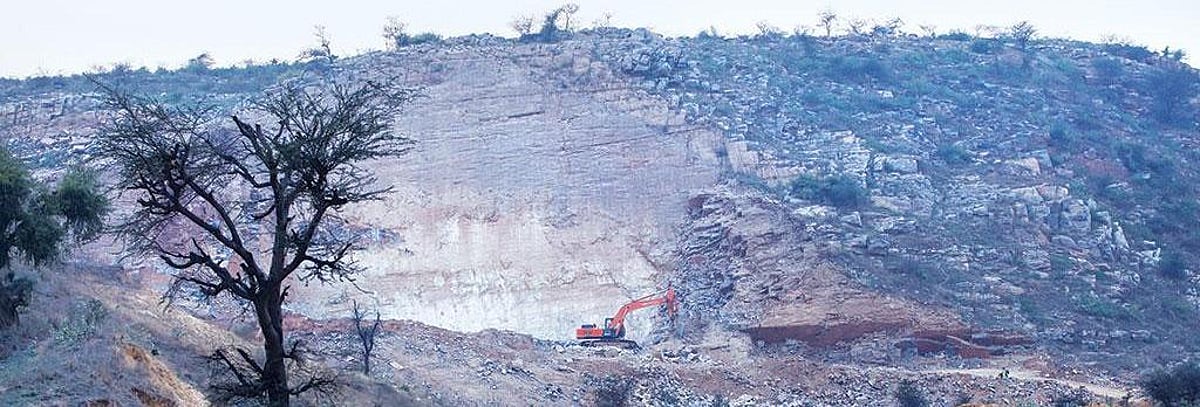
OnDecember 2025, The Supreme Court of India tooksuo motu cognizance of issues related to the definition of theAravalli Hills. a major development took place in India’s environmental law space. The matter has now been listed for hearing on December 29, drawing attention from environmentalists, legal experts, and policymakers across the country.
This step by the top court signals the seriousness of the issue. It also highlights growing concerns about environmental degradation in one of India’s oldest mountain ranges.
What Does Suo Motu Cognizance Mean?
In simple words, suo motu means “on its own.” When a court takes suo motu cognizance, it acts without waiting for a formal petition. The court steps in because it believes the matter affects public interest.
Courts usually use this power when they see a risk to fundamental rights or serious harm to the environment. In this case, the concern is about how the Aravalli Hills are defined and protected under law.
The Aravalli range is one of the oldest geological formations in the world. It stretches across several states, including Rajasthan, Haryana, and parts of Delhi. These hills act like a natural wall against desert expansion.
They also help recharge groundwater and support forests and wildlife. If the Aravallis weaken, the impact is felt far beyond the hills themselves. Cities nearby face heatwaves, water shortages, and rising pollution levels.
The Issue Around the Definition
At the heart of the case is the unclear definition of what legally counts as “Aravalli land.” Over the years, different states have used different criteria. Some areas with hills were excluded from protection due to technical definitions.
This confusion has allowed mining, construction, and land diversion in sensitive zones. Environmental groups argue that a narrow definition defeats conservation laws and harms fragile ecosystems.
Supreme Court’s Observations
The court reportedly expressed concern that inconsistent definitions may be weakening environmental safeguards. It noted that legal loopholes cannot be used to justify large-scale damage to natural resources.
The bench emphasized that environmental protection is not optional. It is a constitutional duty. This observation sets a strong tone ahead of the December 29 hearing.
Hearing Scheduled for December 29
The upcoming hearing is expected to focus on how the Aravalli Hills should be officially defined. The court may examine past orders, state notifications, and scientific data.
States involved could be asked to explain their stand. Experts may also be consulted to suggest a uniform and science-based definition.
Impact on Mining and Construction:- Mining has been a major concern in the Aravalli region for decades. Despite earlier bans, reports of illegal activity continue to surface. A clearer definition could lead to stricter enforcement. Construction projects may also come under review. Developers operating in disputed areas could face new checks or even closures if the land is reclassified.
Reactions from Environmentalists:- Environmental activists have welcomed the court’s move. Many see it as a long-overdue intervention. They believe a strong ruling can help restore damaged areas and prevent future harm.
Several groups have called this step a “turning point” for conservation in north India.
Response from State Authorities:- State governments are expected to present their views during the hearing. Some may argue that development needs must be balanced with conservation. Others may seek clarity to avoid legal uncertainty.
The court’s final direction could guide future policies at both state and national levels.
This case has the potential to reshape environmental governance in India. A clear definition of the Aravalli Hills could strengthen protections and close long-standing loopholes.
More importantly, it sends a message. Environmental issues can no longer be ignored or delayed.
The Supreme Court’s decision to take suo motu cognizance of the Aravalli Hills definition marks a crucial moment. With the hearing set for December 29, all eyes are now on the court. The outcome could have lasting effects on conservation, development, and environmental justice in India.
FAQs
1. Why did the Supreme Court take suo motu cognizance? Because the issue affects environmental protection and public interest on a large scale.
2. What is the main concern in this case? The lack of a clear and uniform definition of the Aravalli Hills.
3. When is the hearing scheduled? The hearing is scheduled for December 29.
4. How does this affect mining in the Aravallis? A clearer definition may lead to stricter bans and enforcement.
5. Why are the Aravalli Hills important? They help control desertification, support biodiversity, and recharge groundwater.
ISRO Launches Heaviest Satellite BlueBird Block-2, Boosting India’s Space Power
Published Date: 24 December 2025
India has once again made headlines in the global space community. With the successful launch of its heaviest satellite, BlueBird Block-2, the country has taken a giant leap toward strengthening its space capabilities. This historic mission, executed by the Indian Space Research Organisation, is being seen as a game-changer for India’s communication, defense, and technological future.
India’s Growing Reputation in Space Technology
The launch of BlueBird Block-2 is not just about sending another satellite into space. It represents India’s growing confidence in handling heavy, complex, and high-value space missions. With this achievement, India signals to the world that it is ready to compete with the biggest space powers on Earth.
Over the years, India has moved from being a cost-effective launch provider to a serious innovator. Missions like Chandrayaan, Mangalyaan, and now BlueBird Block-2 prove that India is no longer experimenting—it is leading.
BlueBird Block-2 Satellite:-
BlueBird Block-2 is a next-generation, high-capacity communication satellite designed to dramatically enhance India’s connectivity and strategic communication capabilities.
Overview of the BlueBird Satellite Program
The BlueBird satellite series was conceptualized to meet the rising demand for secure, high-speed, and wide-area communication. Block-2 is the most advanced version so far, building upon lessons learned from earlier missions.
Key Objectives of BlueBird Block-200
The satellite aims to:
Improve nationwide communication coverage
Support defense and strategic operations
Enable next-generation broadband services
Why It Is Called the Heaviest Satellite
Weighing several tons, BlueBird Block-2 is the heaviest satellite ever launched by India. Its massive structure allows it to carry advanced payloads, powerful antennas, and long-lasting power systems.
Brief History of ISRO
Since its formation in 1969, ISRO has transformed India’s dreams into reality. From launching small experimental rockets to executing interplanetary missions, ISRO’s journey is nothing short of inspirational. It has always focused on practical applications—communication, weather forecasting, navigation, and now strategic dominance.
ISRO’s long-term vision is clear: self-reliance, innovation, and global leadership. BlueBird Block-2 fits perfectly into this roadmap.
Technical Specifications of BlueBird Block-2
Weight, Design, and Structure
BlueBird Block-2’s heavy weight comes from its robust structure and high-capacity systems. Built to withstand harsh space conditions, it is designed for long-term operation.
Advanced Communication Payloads
The satellite carries state-of-the-art transponders capable of handling enormous data traffic, making it ideal for broadband, military, and emergency communications.
Power Systems and Lifespan
Equipped with large solar panels and high-efficiency batteries, the satellite is expected to remain operational for over 15 years.
Launch Vehicle Used for the MissionRocket Technology Behind the Launch
ISRO used a heavy-lift launch vehicle capable of placing massive payloads into geostationary orbit with pinpoint accuracy.
Why This Launch Vehicle Was Chosen
The rocket was selected due to its proven reliability and ability to handle high-mass satellites like BlueBird Block-2.
Launch Date, Location, and Mission DetailsPublished Date and Timeline
The satellite was launched successfully on 24 December 2025, marking a perfect end to the year for India’s space sector.
Launch Site and Mission Control
The launch took place from Satish Dhawan Space Centre, India’s primary spaceport.
How BlueBird Block-2 Enhances India’s Space Power
Strengthening Communication Infrastructure
With its massive bandwidth capacity, the satellite will dramatically improve communication services across India, especially in rural and remote areas.
Strategic and Defense Benefits
Secure communication is critical for national security. BlueBird Block-2 ensures reliable links for defense forces during emergencies and operations.
Impact on India’s Digital and Telecom Sector
Boost to Connectivity in Remote Areas
From villages in the Himalayas to islands in the Indian Ocean, the satellite ensures that no region remains digitally isolated.
Support for 5G and Future Networks
BlueBird Block-2 will play a supporting role in backhauling data for 5G and future communication technologies.
Economic and Commercial Benefits
Opportunities for Indian Space Startups
The mission opens doors for private companies to collaborate with ISRO, boosting innovation and job creation.
Global Market Positioning
India strengthens its image as a reliable and affordable space technology partner for other nations.
International Significance of the Mission
India’s Standing Among Space-Faring Nations
With this launch, India joins an elite group of countries capable of deploying ultra-heavy satellites.
Global Collaboration Opportunities
The success of BlueBird Block-2 paves the way for joint missions and international partnerships.
Comparison with Previous ISRO Satellite Missions
How BlueBird Block-2 Is Different
Unlike earlier satellites, this one combines sheer mass with cutting-edge technology.
ISRO’s journey shows a clear progression from modest capabilities to world-class engineering.
Challenges Faced During the Mission
Engineering and Testing Challenges
Handling such a heavy satellite required months of testing, simulations, and precision engineering.
Future Missions Inspired by BlueBird Block-2
Upcoming ISRO Projects
This success sets the stage for even heavier and more advanced satellites in the future.
Long-Term Vision for Space Dominance
India aims to become a global hub for space technology and services.
FAQs(Some important question)
1. What makes BlueBird Block-2 special?
Its massive weight, advanced payloads, and long operational life make it unique.
2. Who launched BlueBird Block-2?
The mission was carried out by the Indian Space Research Organisation (ISRO).
3. How does this satellite help common citizens?
It improves communication, internet access, and connectivity across India.
4. Is this ISRO’s heaviest satellite ever?
Yes, BlueBird Block-2 is the heaviest satellite launched by India so far.
5. What comes next after this mission?
ISRO plans more advanced missions, including heavier satellites and deep-space exploration.
New Delhi | December 22, 2025 — The air in Delhi has once again turned into a “silent killer.” This morning, residents woke up not to a sunrise, but to a thick, toxic blanket of smog. The Air Quality Index (AQI) across several areas in Delhi-NCR has breached the 450 mark, falling into the ‘Severe Plus’ category. In response to this public health emergency, authorities have officially enforced GRAP Stage-4 (Graded Response Action Plan) with immediate effect.
Delhi Becomes a ‘Gas Chamber’: A Harsh Reality
Like an annual ritual of despair, the citizens of Delhi are once again struggling for every breath. From elderly morning walkers to school-going children, almost everyone is complaining of burning eyes and itchy throats. Experts warn that breathing in a 450+ AQI environment is equivalent to smoking 20-25 cigarettes a day.
In hotspots like Anand Vihar, Narela, andBawana, the AQI levels have touched the 500 mark, a level categorized as ‘Hazardous’ even for healthy individuals.
What is GRAP-4 and How Will It Affect You?
When pollution levels cross the threshold of extreme danger, GRAP Stage-4 is triggered under the directions of the Supreme Court. This is the most stringent level of restrictions. Here is what is now prohibited:
Ban on Heavy Vehicles: Entry of trucks into Delhi (except those carrying essential commodities) is strictly banned.
Schools Shift Online: All physical classes, except for grades 10 and 12, have been suspended and moved to online mode to protect children from the toxic air.
Work From Home (WFH): Government offices are mandated to run at 50% capacity, and private organizations have been strongly advised to follow suit.
Construction Halt: Work on major public projects, including highways, flyovers, and power lines, has been completely halted.
Medical professionals are sounding the alarm, stating that this air is not just damaging to the lungs but also to the heart and brain. Doctors atAIIMS have reported a 30% surge in patients with respiratory infections and acute asthma over the last 48 hours.
“This isn’t just pollution anymore; it’s a full-blown health emergency. Pregnant women and young children must strictly avoid going outdoors,” says Dr. Sharma, a leading Respiratory Specialist.
The blame game has begun, as it does every year. Stubble burning (parali), vehicular emissions, and stagnant weather conditions (low wind speed) are cited as the primary culprits. However, the burning question remains: how long will the people of Delhi be forced to live in this suffocating environment year after year?
The Delhi government has also directed all government and private offices in the city to shift at least 50 percent of their staff to work from home. A similar directive had been issued on November 24 following the implementation of GRAP-3 measures, but it was later withdrawn after the restrictions were lifted later that month.
How to Protect Yourself and Your Family
Use N95 Masks: Regular cloth masks are ineffective against PM 2.5 pollutants. Use only N95 or N99 certified masks.
Air Purifiers: If you have elderly family members or infants, use air purifiers to maintain indoor air quality.
Boost Immunity: Consume foods rich in Vitamin C and antioxidants, such as citrus fruits, ginger tea, and honey.
Avoid Outdoor Workouts: Stay indoors, especially during the early morning and late evening when pollution levels are at their peak.