

Venezuela Warns 3I/ATLAS Made Its Closest Approach to Earth on December 19 — Scientists Confirm No Threat
On December 19, global attention briefly turned toward the sky after Venezuela issued a public warning about a space object known as 3I/ATLAS. The announcement confirmed that the object made its closest approach to Earth on that day. While the news caused concern among some people, scientists were quick to calm fears. They confirmed that there was no threat to the planet.
Space events often sound dramatic. Words like “closest approach” can make anyone uneasy. But in this case, experts stressed that the situation was safe and well understood.
3I/ATLAS
3I/ATLAS is a fast-moving object observed by automated space survey systems. These systems scan the sky every night, looking for asteroids and comet-like bodies. Once detected, objects are given temporary names so scientists can track them accurately.
Discovery and Naming
The object was identified earlier through space observation programs designed to protect Earth. The name “ATLAS” comes from the monitoring system that first spotted it. This does not mean it is new or dangerous. It simply means it was detected and logged.
Objects like 3I/ATLAS move quickly. Even when they are far away, scientists prefer to monitor them. Think of it like tracking a plane on radar. Just because it appears on the screen does not mean it will crash.
December 19 Closest Approach Explained
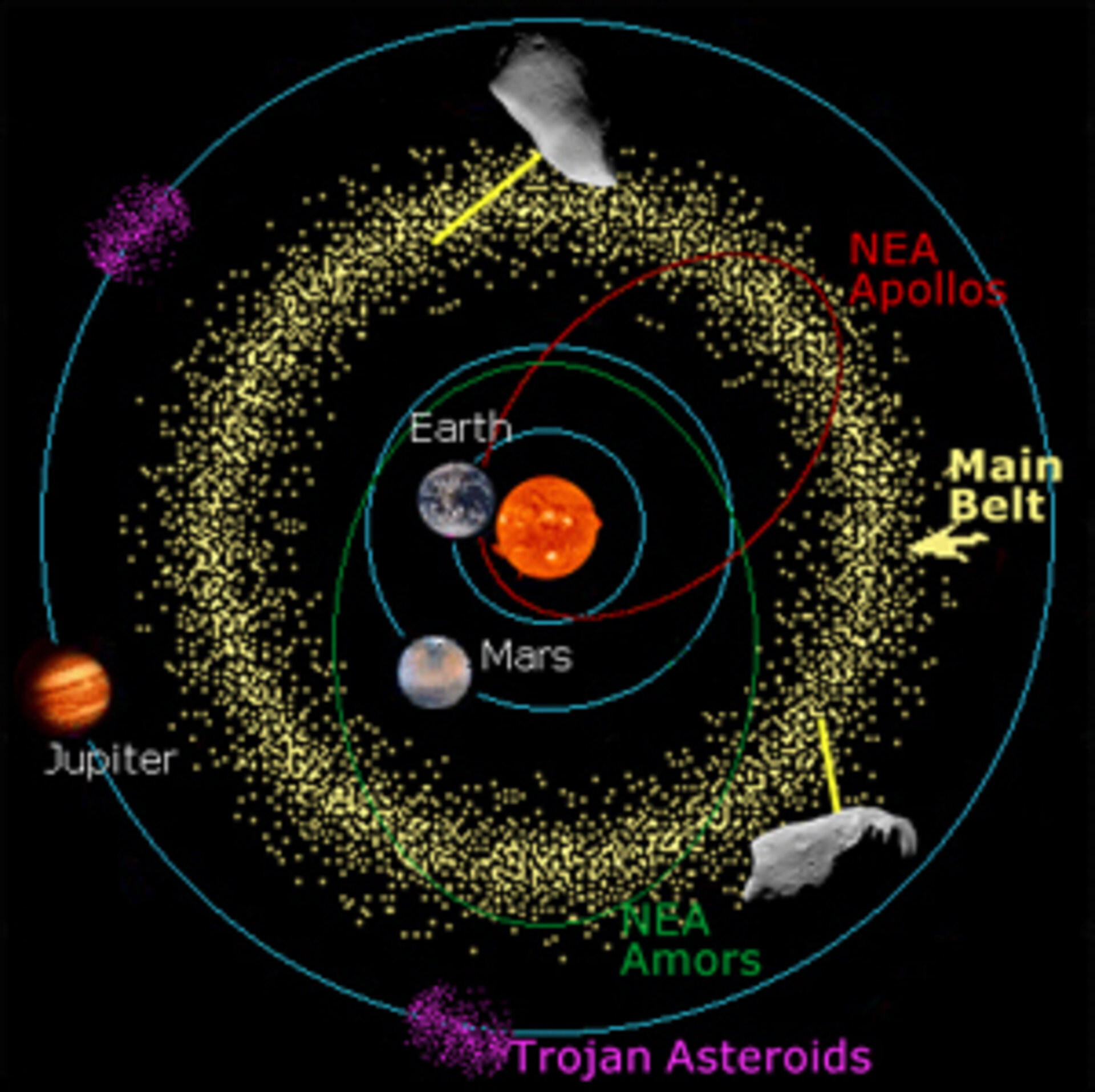
December 19 marked the point where 3I/ATLAS came nearest to Earth along its orbit. Importantly, “nearest” in space terms still means millions of kilometers away.
- According to scientific data, the object stayed at a safe distance. There was no chance of collision. No change in Earth’s gravity. No atmospheric impact.
- The phrase “closest approach” often triggers fear. But in astronomy, it is routine. Thousands of objects pass closer than this every year without any effect.
Venezuela’s Official Warning
Venezuelan authorities shared the information to avoid confusion and rumors. The warning was not meant to alarm people. It was meant to inform.
Officials explained that transparency is better than silence. When governments speak early, misinformation has less room to spread.
Scientists Confirm No Danger
Scientists from international space agencies reviewed the object’s orbit. All calculations showed the same result. Earth was never at risk.
Using advanced models, scientists mapped the object’s path. The math was clear. The object passed by and continued its journey into space.
Space Monitoring Systems
Modern space monitoring works like a global security camera. Telescopes and sensors constantly scan the sky.
These systems give scientists time. Time to calculate. Time to confirm. Time to reassure the public.
Public Reaction and Media Coverage
Despite expert reassurance, social media buzzed with worry. Some posts exaggerated the situation. Others shared false claims.
Fighting Misinformation:- This event showed why reliable news matters. Simple facts can stop fear from spreading.
Why Space Objects Often Cause Fear:- People remember movies and past asteroid stories. Fiction often makes space feel hostile.
Hollywood vs Reality:- In reality, Earth is well protected by science and early detection.
What Happens Next With 3I/ATLAS:- 3I/ATLAS will continue along its path. Scientists will keep watching it until it fades from view.
Continued Observation:- There is no emergency. Just routine science at work.
FAQs
1. Was Earth ever in danger from 3I/ATLAS?
No. Scientists confirmed there was zero risk.
2. Why did Venezuela issue a warning?
To inform the public and prevent rumors.
3. What does “closest approach” really mean?
It means the nearest point in its orbit, still very far away.
4. Are objects like this common?
Yes. Many pass Earth safely every year.
5. Will scientists keep tracking 3I/ATLAS?
Yes, until it moves out of observation range.